

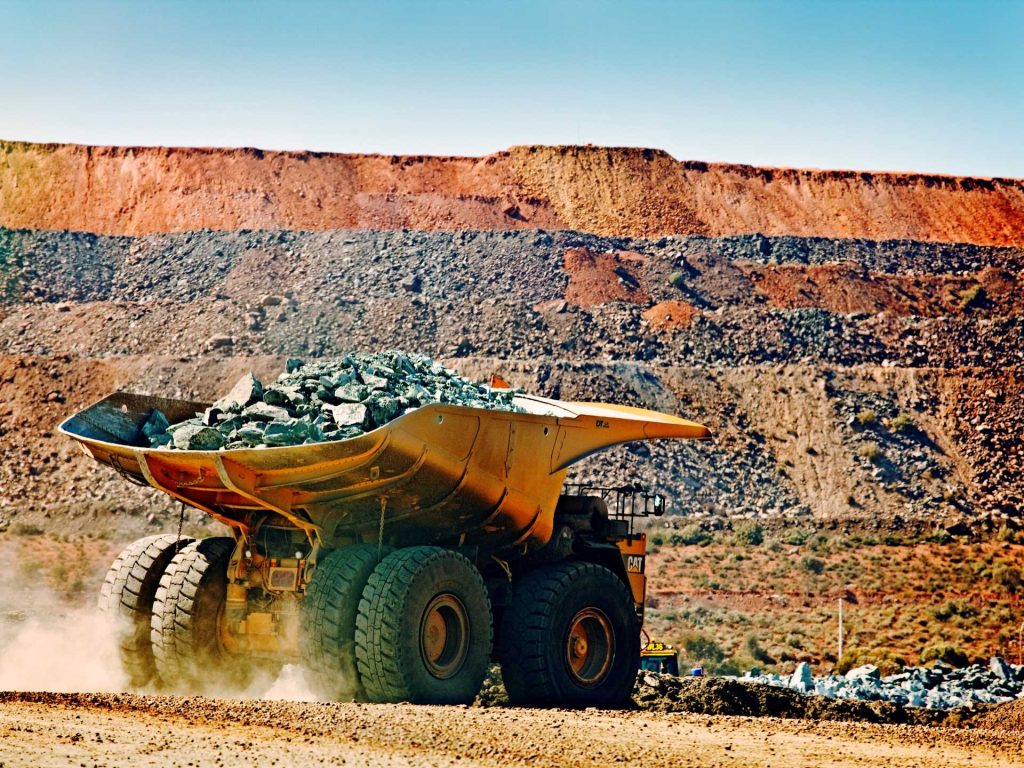
Trade credit risk—the risk that a buyer will fail to pay for goods or services on agreed terms—exists across all sectors, but it takes on distinct characteristics in the industrial sector, particularly where commodities are involved. Unlike consumer or service-based industries, industrial trade credit is tightly linked to physical goods, global supply chains, and volatile input markets, all of which materially influence credit exposure.
Asset Intensity and Working Capital Pressure
Industrial companies typically operate with large balance sheets, heavy fixed assets, and substantial working capital requirements. Buyers often depend on steady cash flow from production and resale cycles to meet payment obligations. When demand slows or operations are disrupted, liquidity can deteriorate quickly, increasing trade credit risk for suppliers. Lending arrangements with collateral tied to inventory and receivables can be negatively impacted overnight if there is a huge commodity price swing, further impacting liquidity. This contrasts with service-oriented sectors, where receivables are more closely tied to labor and recurring revenue rather than inventory conversion.
Commodity Price Volatility
In commodity-linked industries, such as metals, chemicals, energy, and agriculture, price volatility is a defining risk factor. Sharp movements in commodity prices can rapidly erode buyer margins and impact liquidity, especially when input costs rise faster than output prices or when inventory is held through a downturn. A customer that appeared creditworthy at contract inception may experience financial stress mid-cycle, increasing default risk even without operational mismanagement.
Longer and Less Flexible Payment Terms
Industrial trade often involves extended payment terms, reflecting high transaction values and complex logistics. Commodities shipped in bulk may take weeks to transport, process, and monetize before generating cash. These longer cash conversion cycles heighten exposure to suppliers, particularly when buyers rely on continued market liquidity to settle invoices. In periods of market stress, delayed payments can cascade through the supply chain.
Global Supply Chains and Jurisdictional Risk
Commodities are frequently traded across borders, introducing currency risk, political risk, and legal complexity into trade credit decisions. Payment capacity can be affected by export controls, sanctions, capital restrictions, or sudden regulatory changes. This makes credit risk in industrial commodities more systemic and less dependent solely on individual buyer behavior.
Correlation and Concentration Risks
Commodity-driven industries tend to exhibit high correlation risk. Buyers, suppliers, and lenders may all be exposed to the same underlying commodity cycle. When prices fall or demand contracts, multiple counterparties can deteriorate simultaneously, limiting diversification benefits in trade credit portfolios. Additionally, industrial suppliers often have concentrated customer bases, further amplifying potential losses.
Risk Mitigation Practices
Because of these factors, trade credit risk management in industrial and commodity sectors relies heavily on dynamic credit limits, continuous risk monitoring, collateral structures, and credit insurance. Some suppliers also use prepayment, letters of credit, or price-adjustment clauses to partially offset volatility-driven risk.
Conclusion
Trade credit risk in the industrial sector, particularly for commodities, is less about isolated counterparty failure and more about exposure to economic cycles, price shocks, and supply chain disruption. Effective risk management therefore requires not only traditional credit analysis, but also a deep understanding of commodity markets and macroeconomic conditions. ProfitGuard has over 25 years advising clients in the industrial sector. There are many nuances to credit in these sectors, and it takes a trained eye to analyze them.